
Discover.
Each month we take pleasure in introducing one of Gravesham’s many creative souls. We ask them what inspires their work and seek out their personal cultural tips and highlights.
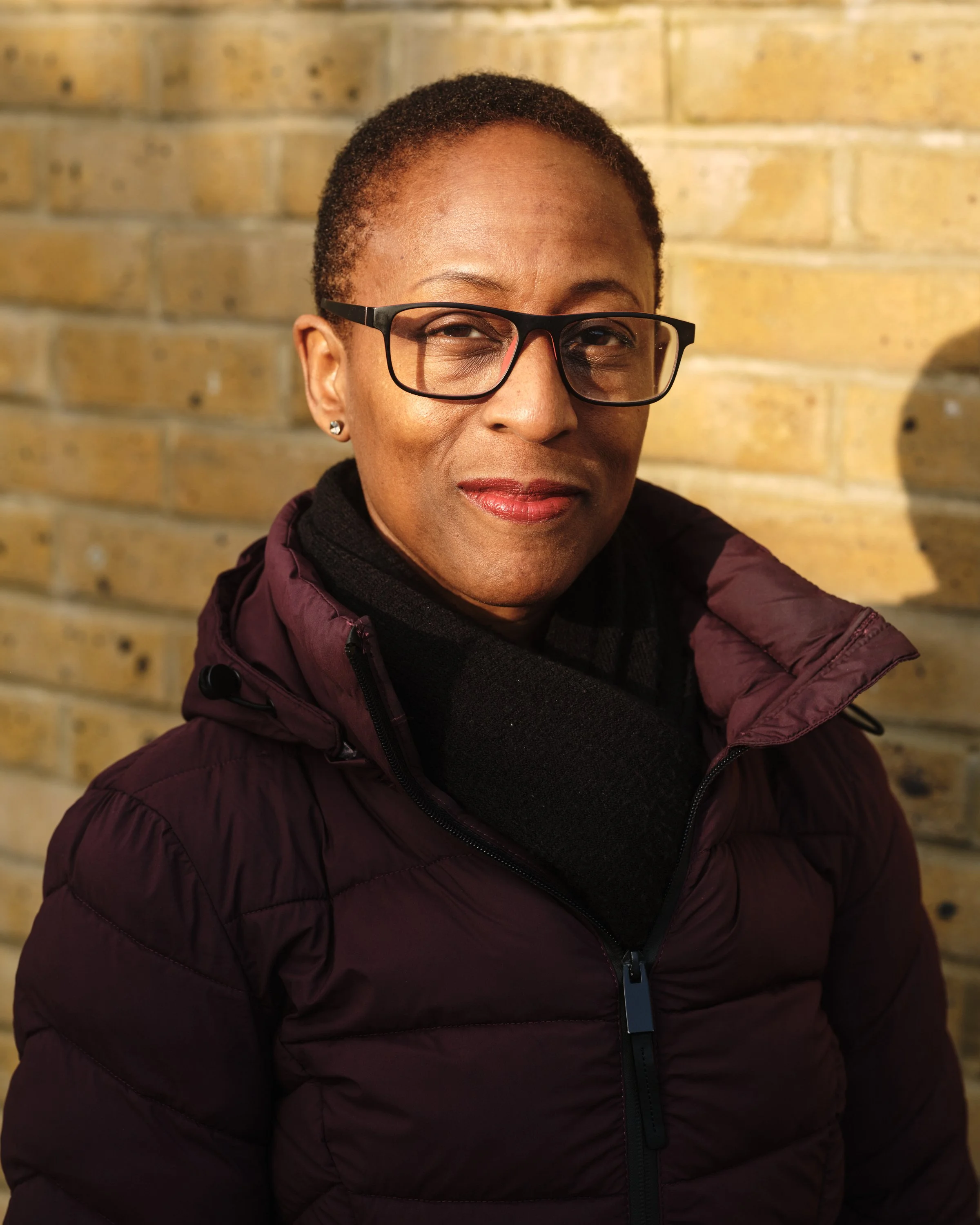
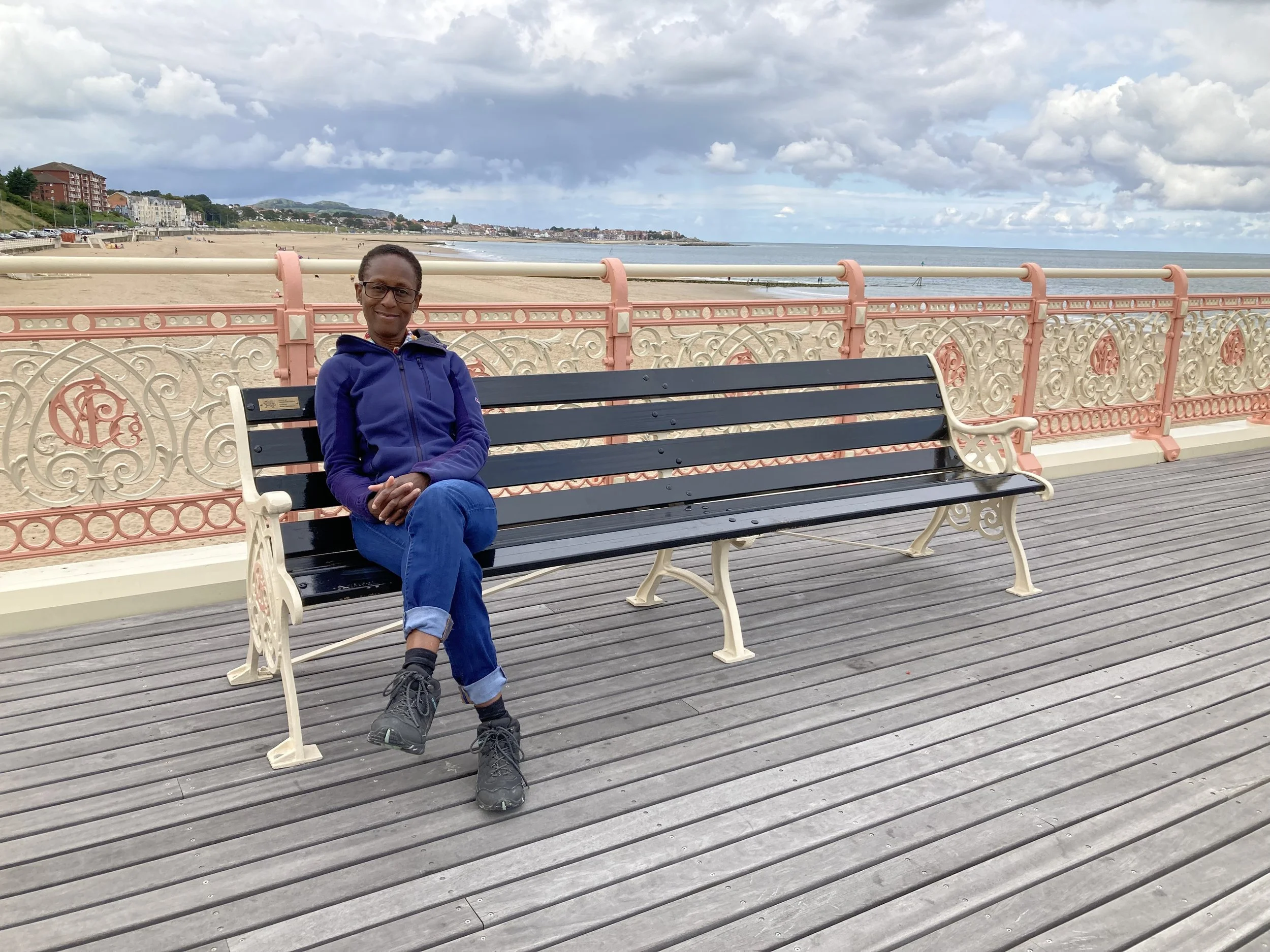
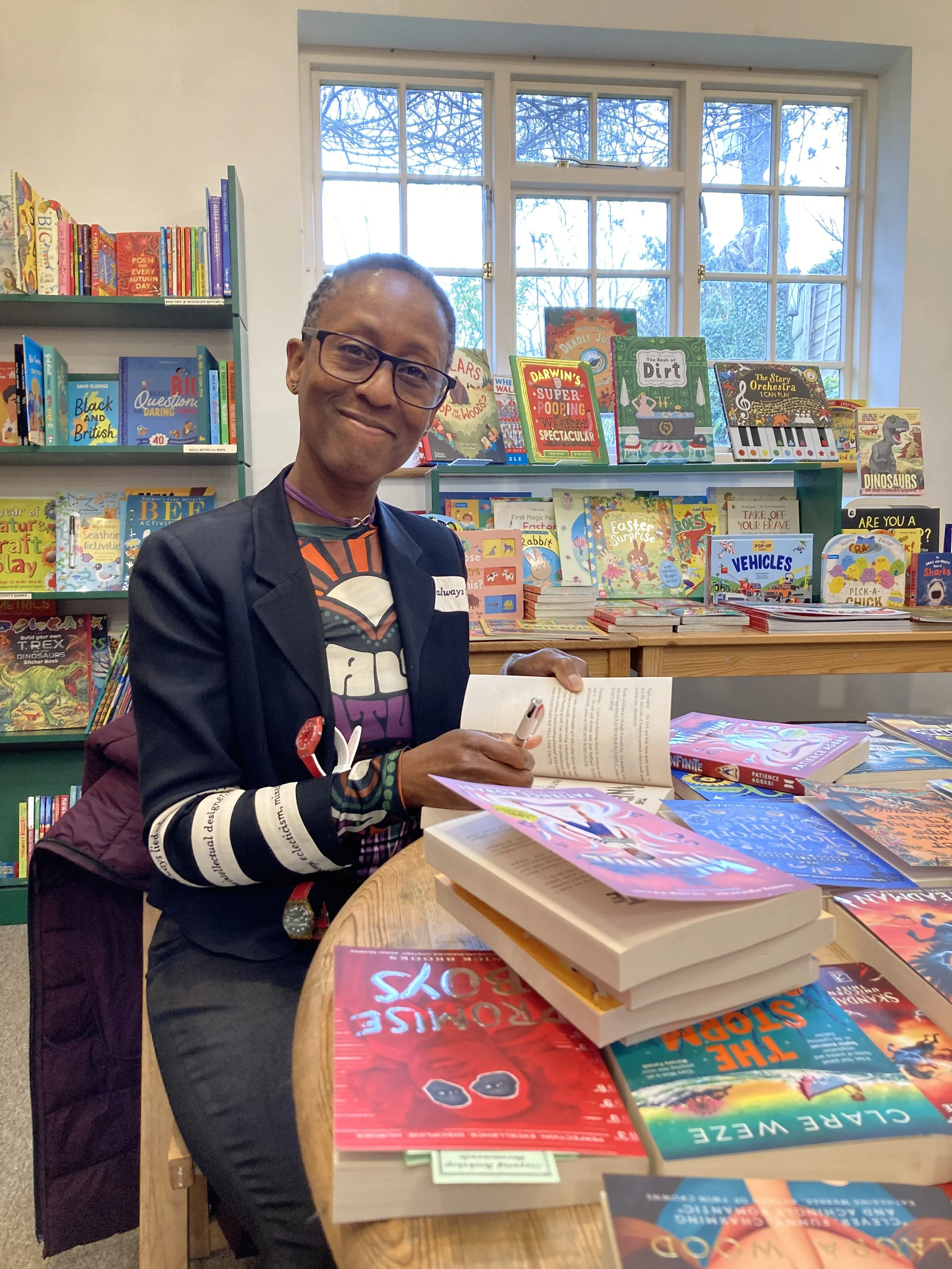
Photography by Roo Lewis
Patience Agbabi - Poet and novelist
In your own words, how would you describe your creative work?
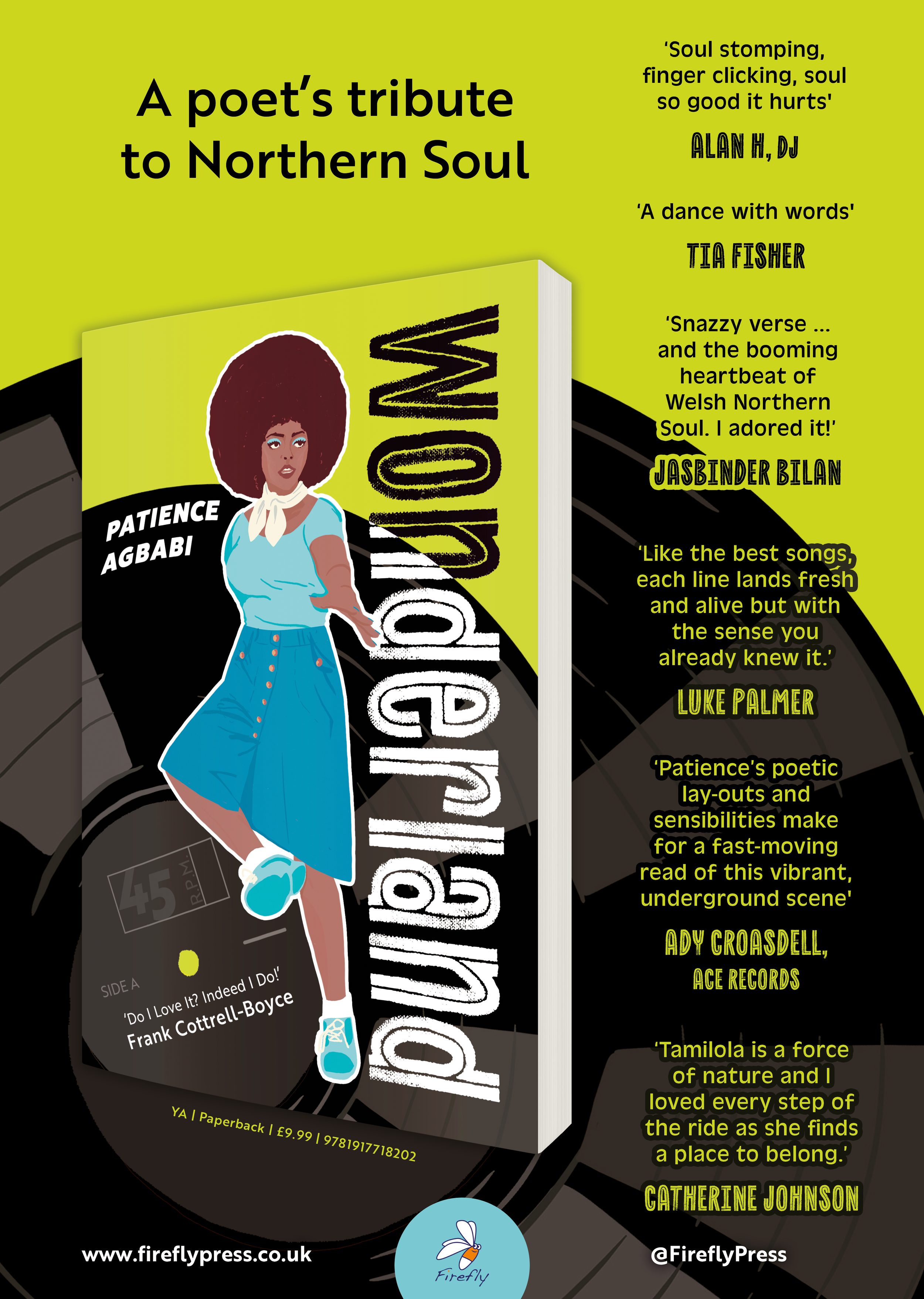
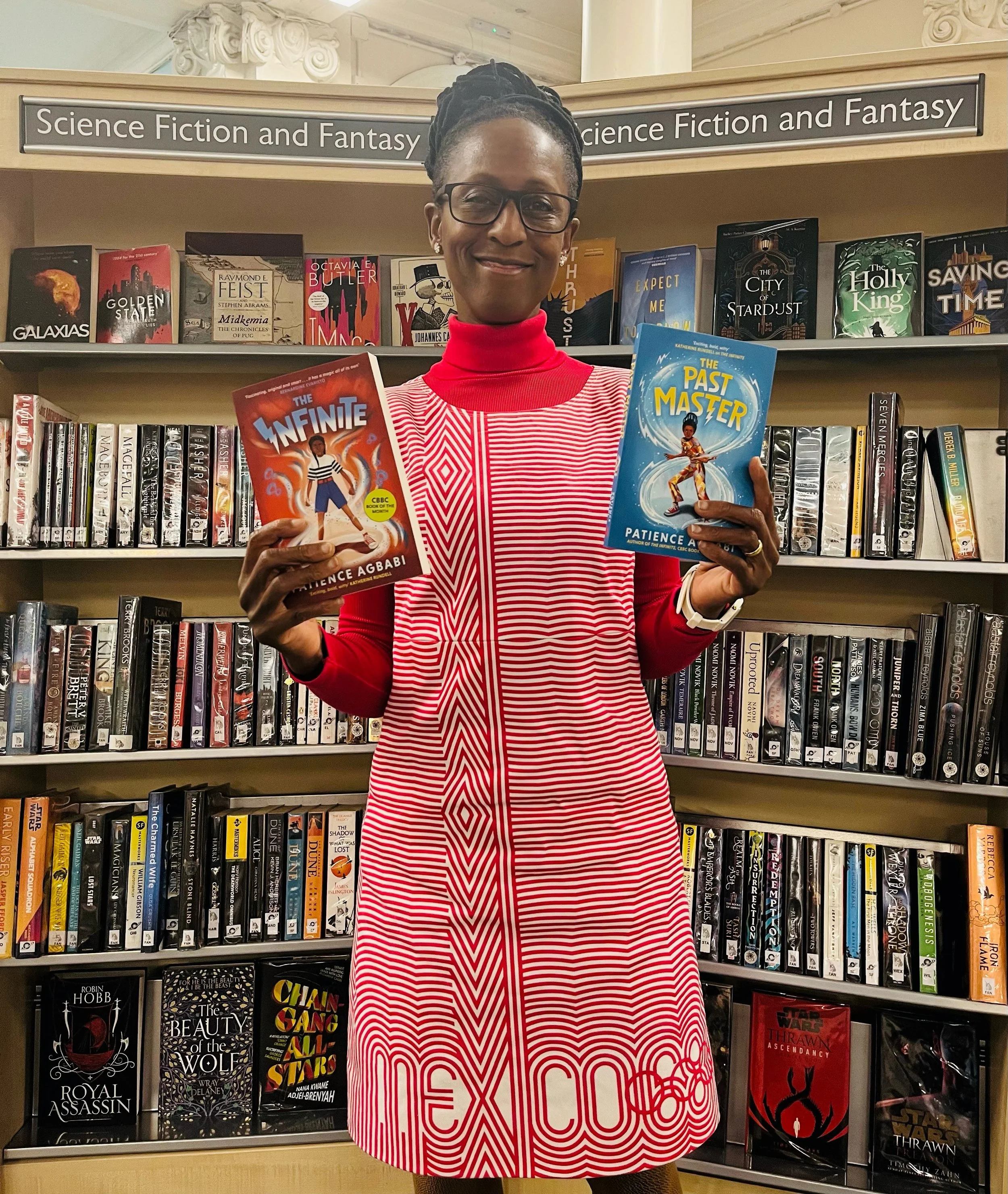
I’m a poet and novelist. My poetry combines a love of literature with a passion for spoken word. It predominantly rhymes and is written for adults. Telling Tales, my retelling of The Canterbury Tales, showcases my dramatic monologues, narrative experimentation and edgy subject matter. My novels are a sequence called The Leap Cycle, a time-travel quartet for 8-12-year-olds which in practice means everyone from 8 to ∞. They’re stacked with wordplay and feature a neurodivergent cast of characters. My latest book is a YA verse novel, Wonderland, a love letter to Northern Soul. It’s semi-autobiographical and set in Colwyn Bay, North Wales, 1980. It epitomises my interest in poetic form, character and voice.
When did you first discover your passion for art/writing/photography?
I was the kind of kid who, when asked to write the essay, What I Did on my Holidays, wrote 26 pages of stuff that didn’t actually happen at all. I’ve written creatively ever since I learnt to write in my illegible scrawl. The passion comes from being read to from an early age, loving stories and nursery rhymes then becoming an early avid reader of anything I could lay my hands on.
So, by the time I got to my early teens, I was writing poetry inspired by song lyrics (we’re talking ska revival circa 1980) and short stories inspired by non-fiction books about mods I got from the local library. I was totally steeped in the mod revival/Northern Soul scene and whatever poetry we had to read in school like Dylan Thomas and Shakespeare. I was a magpie. I’ve always loved the intersection of high art and popular culture.
What's the creative process?
It begins with an idea that keeps me awake at night. Before the writing starts, I do lots of reading and research. It must be a subject I’m already obsessed with so I’m deepening both my factual knowledge and technical understanding of a specific literary genre. In the case of Telling Tales, it was checking out different versions of The Canterbury Tales from the original text to Peter Ackroyd’s prose retelling to a rap version and also watching film, video and cartoon versions. For The Leap Cycle I explored conventional and anomalous leap years, the summer Olympic Games plus autism in girls. Then I read several contemporary middle-grade time-travel novels. I also used a storyboard for the first time, a physical pinboard with colour-coded cards and found it creatively liberating to visually plot out my stories.
Wonderland was initially inspired by the dismantling of Colwyn Bay pier in 2018 which I found traumatic since that’s where I came of age, dancing to Northern Soul or live ska bands. I had a strong desire to resurrect it to its former glory via imagination. I watched a video of the demolition on YouTube then read a history of the pier. Next, I made a playlist of all the Northern Soul tracks I danced to between 1978 and 1982 which let loose multiple memories which I used to list all the things I loved about that era. That gave rise to the punchy titles of each narrative poem like The Bay, Nicknames, Mod, Vinyl, Vespa, Phone Box and Grapevine. At that stage, I set up a storyboard with these titles and started to map out a narrative structure. I was simultaneously inspired by the story of the rarest and most expensive record on the Northern Soul scene: Do I Love You (Indeed I Do) by Frank Wilson and used this as a plot device—Wonderland is partly about the quest for an obscure record. I had a false start trying to write the novel as straight prose; it didn’t sing. Then I read and reread some YA verse novels and the book finally found its genre and voice.
What does a typical day look like to you?
There’s no such thing as a typical day for a self-employed creative. When I started out as a poet, I used to write when the idea struck me (which was often) but since having a family (which coincided with working on Telling Tales), I’ve had to have a routine which means writing while the kids are at school. I like the William Faulkner’s quote: ‘I only write when I am inspired. Fortunately I am inspired at 9 o’clock every morning’. When I have a project, I thrive on discipline. I sit down at 9am and write till at least noon, sometimes 1pm. I consign all admin to the afternoon.
But when I’m touring, it’s totally different. I’ll leave the house very early to arrive in a school at 8.30 in the morning to do a school assembly then a day of interactive talks or workshops. To contrast, I recently attended a two-day poetry symposium in Texas attended by mostly US university professors and opened day one delivering a 20-minute talk on the specular poem and closed day two with a five-minute reading of my work. I enjoy the challenge of every day being different though I especially like it when I’m either writing or touring a new book and am fully immersed in the process.
What have you learned most about yourself in recent times?
That I had a novel in me.
That I had more than one novel in me.
Do you have any wisdom you can share with others who are thinking of launching a creative business?
Do it for love not money. If you’re passionate about what you do, that will help you through all the challenges.
Research your field and network online and in person. The more you put yourself out there, the more likely you will be in the right place at the right time to get that important break.
Be realistic about the financial gains. Most writers earn a pittance but a tiny percentage of writers earn a lot of money. The very successful ones work very very hard and are very very talented but often luck is involved in winning literary prizes.
Cultivate a daily writing practice online or longhand to generate ideas. Even 15 minutes a day mounts up.
Most of all, be yourself. Write what you’re passionate about. AI can write a decent generic 500-word short story in five seconds. But it won’t have the pithy dialogue, depth of character or inside knowledge we human creatives have. And it still can’t write a complex specular poem. Editors recognise originality when they see it. Your life, your style is your USP.
What is on your mind right now?
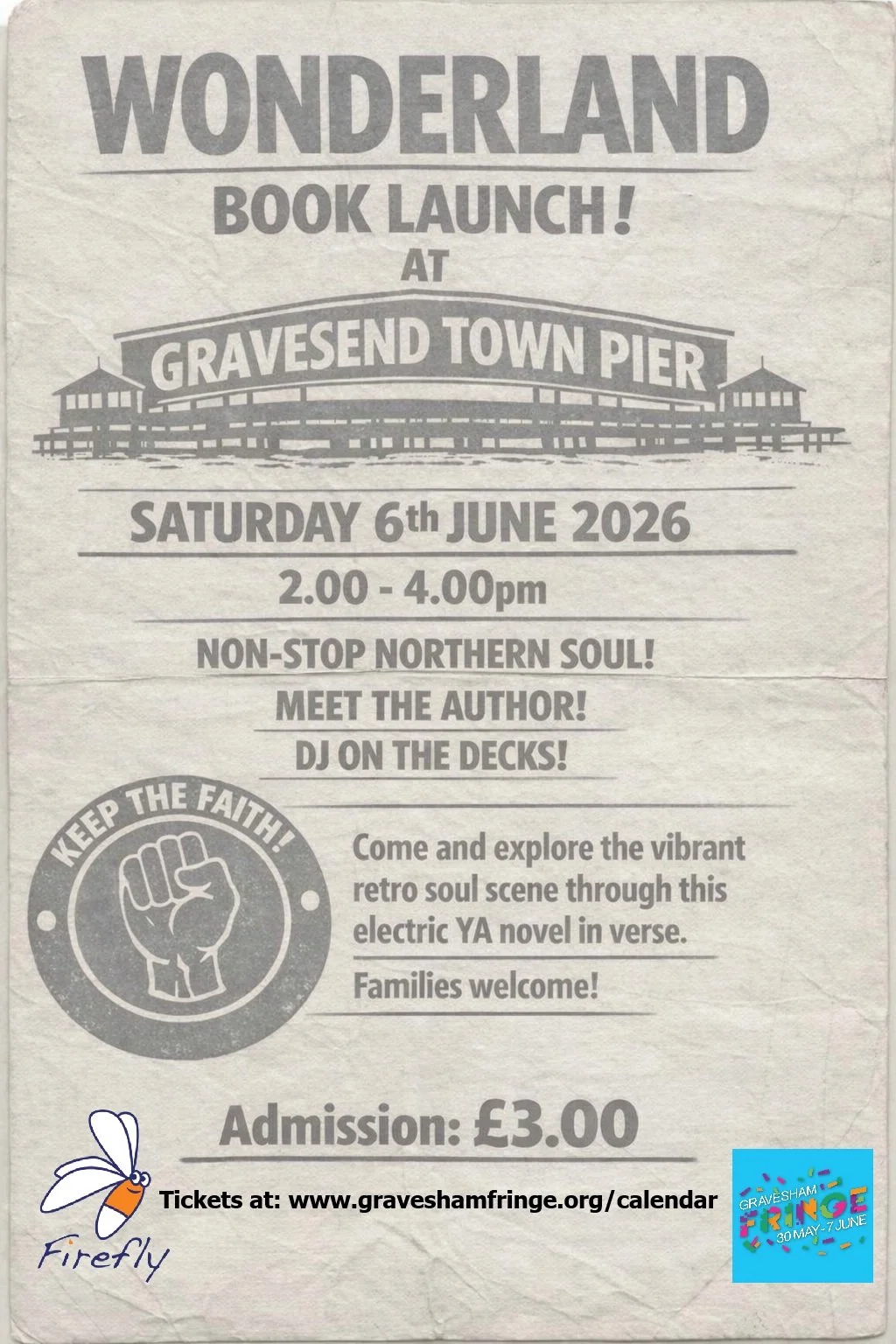
Wonderland’s going to press the end of this week. I hope we’ve spotted all the errors in the final proof!
Links
Patience Agbabi - Prologue to the Canterbury Tales, The Slam Remix
Telling Tales | Rewriting the Canterbury Tales
Authors Live Patience Agbabi - BBC
Patience’s cultural highlights
Films
Quadrophenia (1979) Dir. Franc Roddam
Northern Soul (2014) Dir. Elaine Constantine
Podcasts
Music
Wonderland Playlist
Do I Love You (Indeed I Do) – Frank Wilson (Soul, 1965).
Black Power – James Coit (Phoof Records, 1968).
First Round Knockout – Joe Frasier (Motown, 1975).
I’m Gonna Find Me Somebody – The Vel-Vets (20th Century Fox, 1967).
The Motown Story: The First Decade (box set) 1970.
Gangsters – The Specials (2 Tone Records, 1979).
Stand Down Margaret – The Beat from I Just Can’t Stop It (album) 1980.
Books
The Black Flamingo, Dean Atta (Hodder Children’s Books).
The Poet X, Elizabeth Acevedo (HarperCollins Children’s Books/Electric Monkey,).